
Dave Gahan: The Captivating Frontman of Depeche Mode
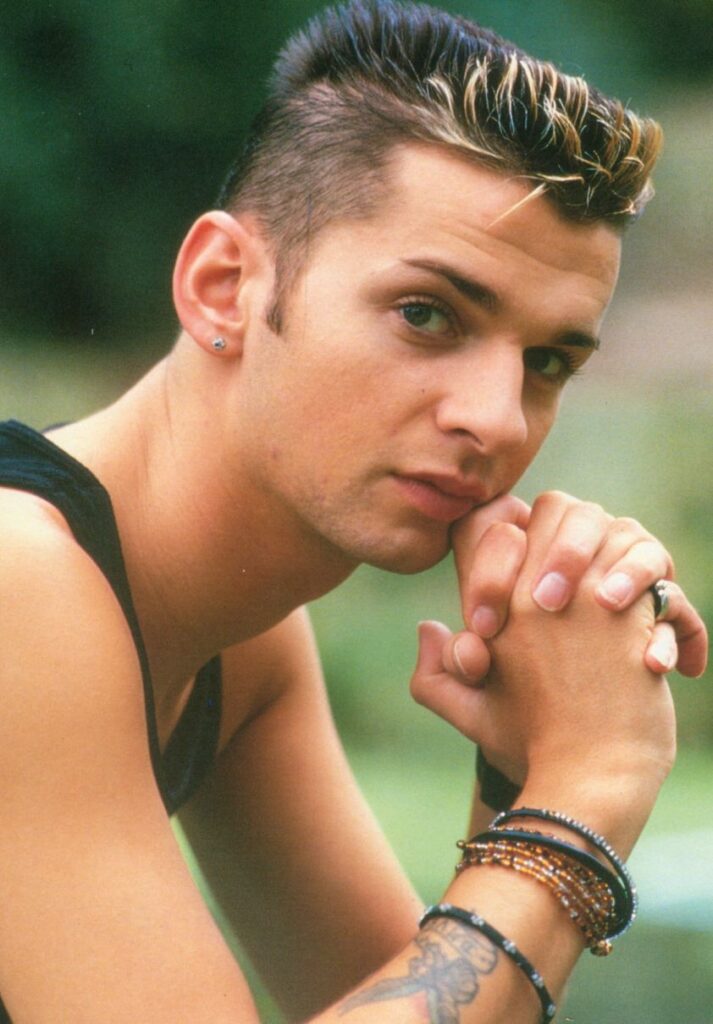
With his mesmerizing stage presence, powerful vocals, and enigmatic persona, Dave Gahan has established himself as one of the most iconic frontmen in the history of music. As the lead singer of the legendary British band Depeche Mode, Gahan has captivated audiences around the world with his unique style and profound musicality. From his early struggles to his remarkable rise to fame, Gahan’s journey has been nothing short of extraordinary.
Born on May 9, 1962, in Epping, Essex, David Callcott (later known as Dave Gahan) had a modest upbringing in a working-class family. Music had always been a part of his life, and as a teenager, Gahan found solace in bands like David Bowie, T. Rex, and Roxy Music. However, it wasn’t until he discovered punk rock that he realized his true calling. The raw energy and rebellious spirit of the genre deeply resonated with Gahan, planting the seeds for his future artistic endeavors.
Depeche Mode
In 1980, Gahan’s life took a momentous turn when he responded to an advertisement placed by Vince Clarke, Martin Gore, and Andy Fletcher, who were looking for a vocalist to join their band. The trio soon became Depeche Mode, and their fusion of synth-pop, new wave, and electronic music would reshape the landscape of popular music in the years to come.
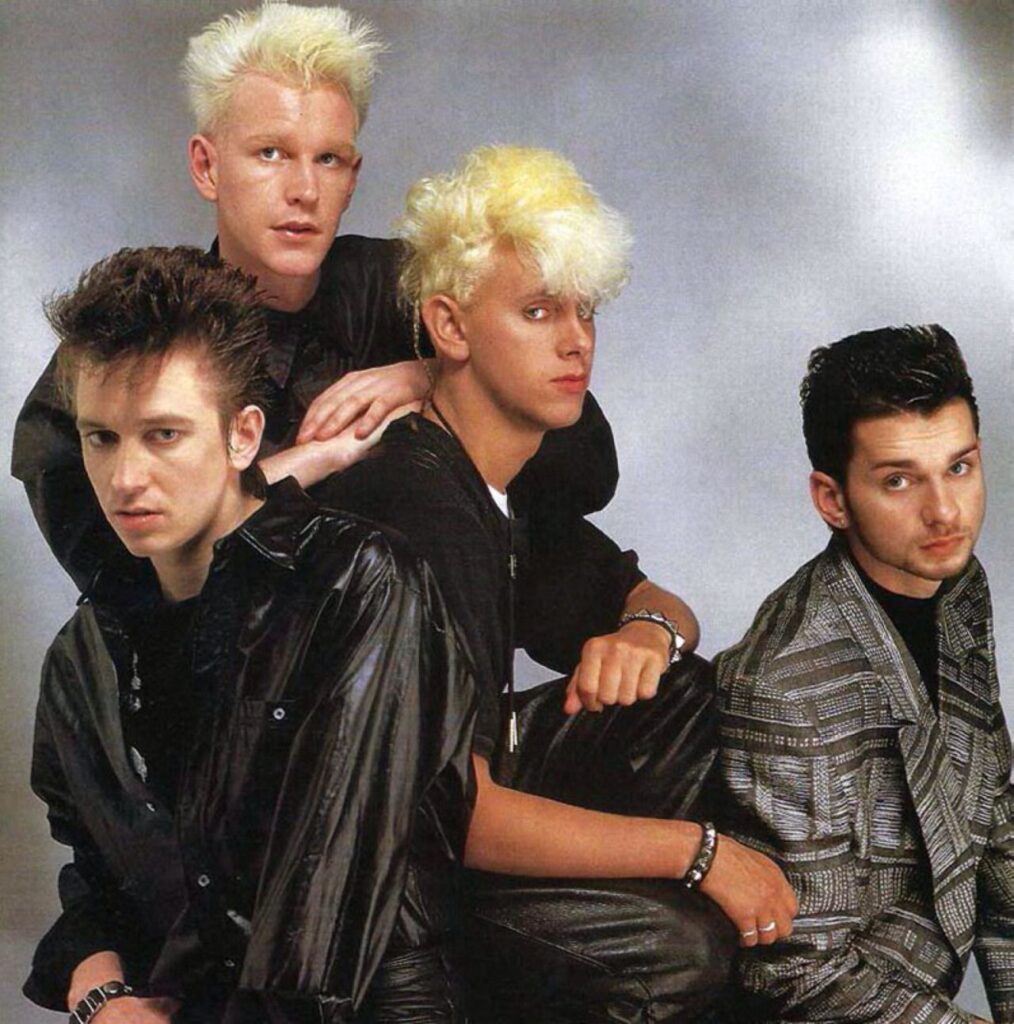
Gahan’s arrival injected new vitality into Depeche Mode. His soulful baritone voice became the signature sound of the band, effortlessly conveying emotions ranging from vulnerability to defiance. Alongside Martin Gore’s songwriting and the innovative production work of Alan Wilder, Depeche Mode’s music matured, delving into darker themes and exploring the complexities of human existence.
The band’s breakthrough came in 1981 with the release of their debut album, “Speak & Spell.” The album’s lead single, “Just Can’t Get Enough,” became an international hit, propelling Depeche Mode into the limelight. Gahan’s charismatic stage presence and magnetic charm played a significant role in the band’s growing popularity, and fans couldn’t help but be drawn to his enigmatic allure.
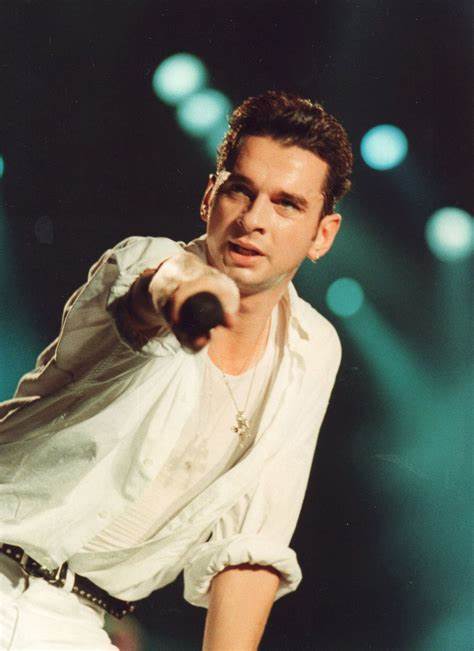
However, success was not without its challenges. As Depeche Mode’s fame soared, so did Gahan’s struggles with drug addiction. The pressures of stardom took a toll on him, leading to a dark period in his life. In 1993, he suffered a near-fatal heroin overdose, an incident that served as a wake-up call and prompted him to seek help. Gahan’s battle with addiction became a turning point in his life and would ultimately shape his future as an artist.
Following his recovery, Gahan emerged stronger than ever. With a newfound sense of purpose and a deep appreciation for life, he channeled his experiences into his music. Depeche Mode’s 1997 album, “Ultra,” marked a remarkable comeback for the band, featuring introspective and introspective tracks that showcased Gahan’s resilience and introspection. The album’s lead single, “Barrel of a Gun,” was a hauntingly honest reflection of his personal journey.
Conclusion
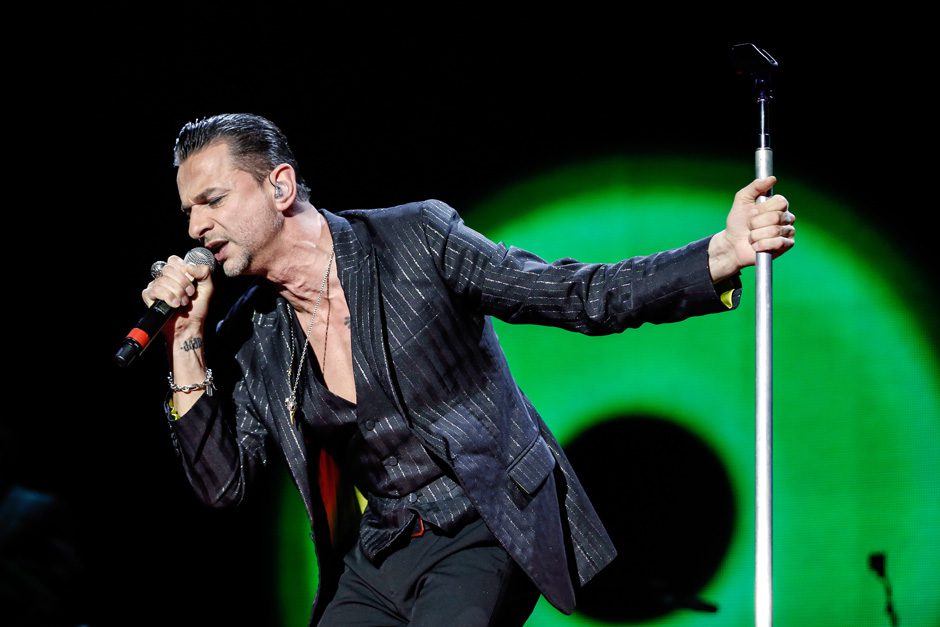
In the subsequent years, Gahan continued to contribute significantly to Depeche Mode’s success. The band’s albums, such as “Exciter” (2001), “Playing the Angel” (2005), and “Delta Machine” (2013), displayed a remarkable artistic evolution, and Gahan’s vocals remained as powerful and emotive as ever. His performances on stage were magnetic, drawing audiences into a world of profound musicality and intense emotional connection