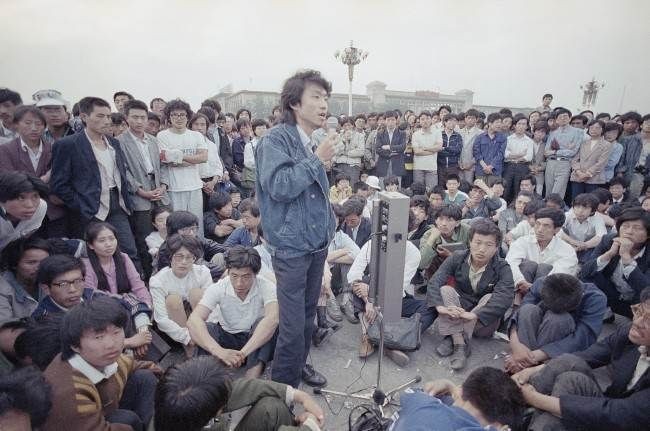
The 1989 Tiananmen Square Protests
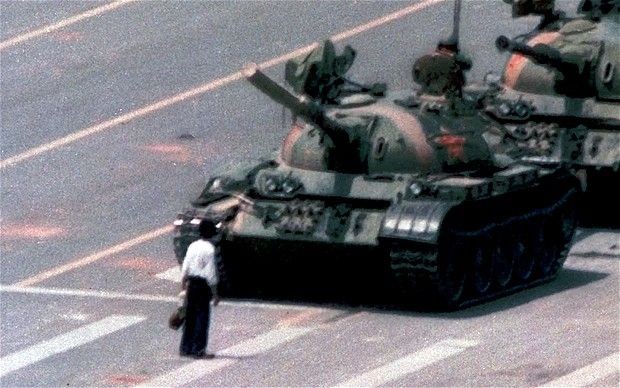
The 1989 Tiananmen Square Protests started on 15 April 1989 and ended in a bloody suppression by the Chinese military on 4 June. The incident is also known as the Tiananmen Square Massacre.
How It Started
After the death of a pro-reform CCP (Chinese Communist Party) member, general secretary Hu Yaobang in April 1989 protesters started to gather on Tiananmen Square. During this time China experienced rapid economic growth and social change. Change away from Maoist China.
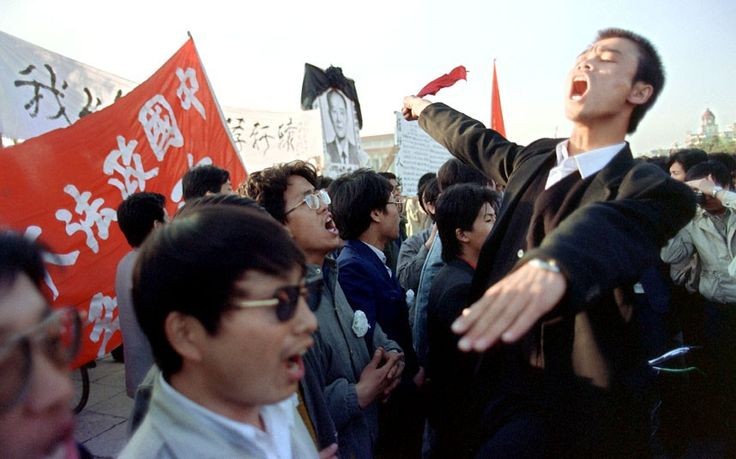
15 April 1989
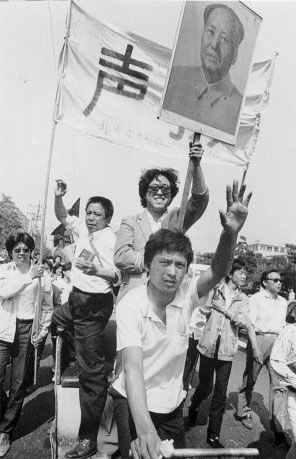
The day it started. Students started to mass in the square. At first, the movement was highly disorganized. However, their demands were basically the same. Freedom of speech, freedom of the press, and democracy. The CCP reacted with conciliatory as well as hard-line tactics, exposing the deep division in the party.
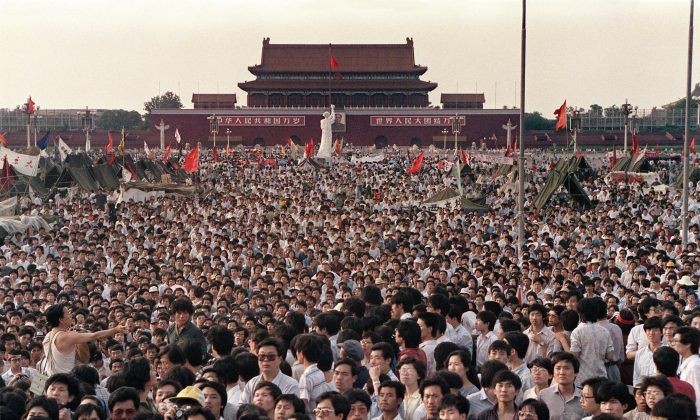
As the protest started to gain momentum, China’s leadership grew desperate. By May the students occupied the entire square and embarked on a hunger strike. By now support for the protests has spread to around 400 other cities.
20 May 1989
After heavy infighting in the party, leadership was persuaded to violently crackdown on the protests. So on 20 May martial law was declared by the State Council. As many as 300,000 troops were deployed to Beijing. By now the amount of protestors on the square has swollen to over a million people.
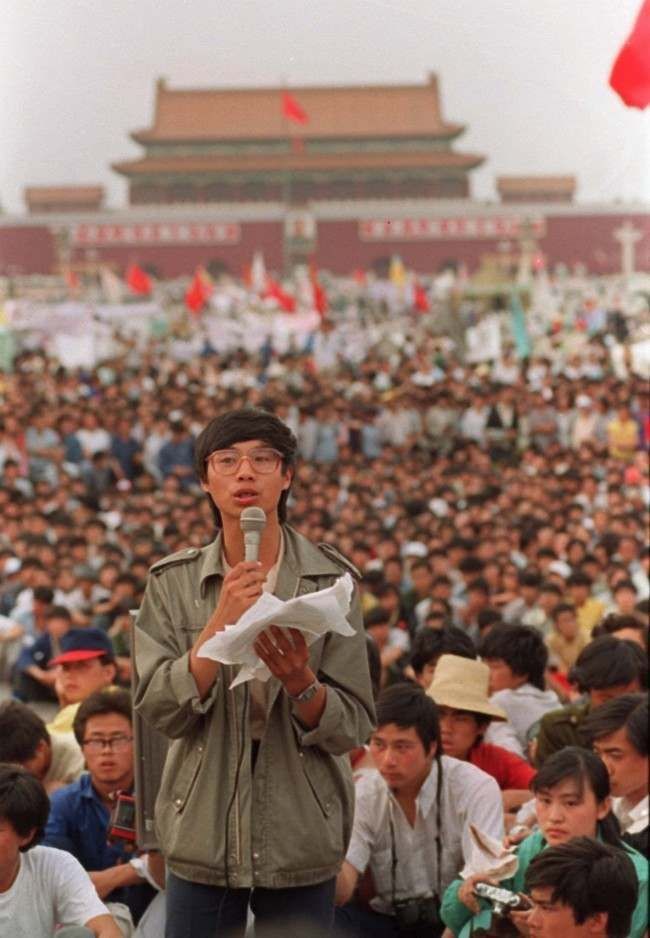
4 June 1989
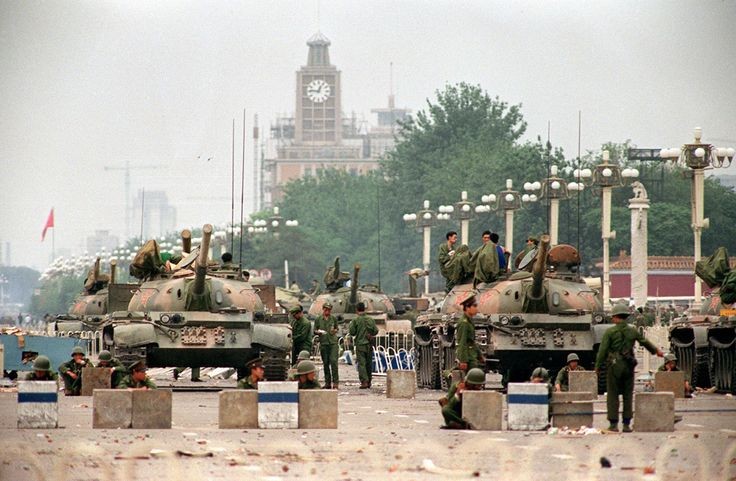
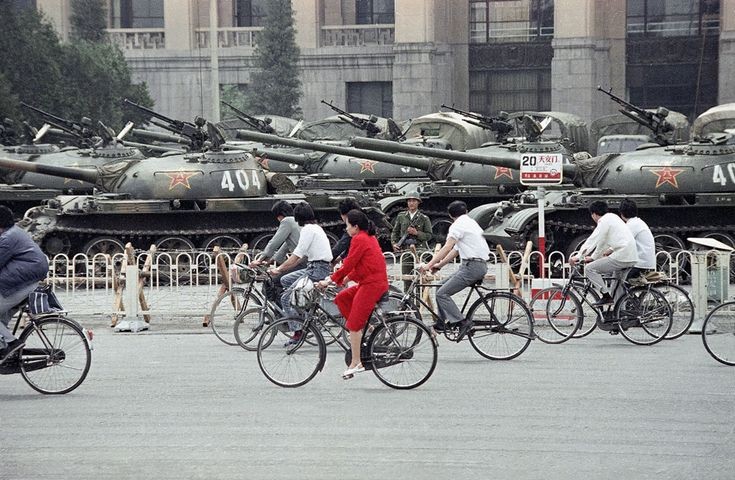
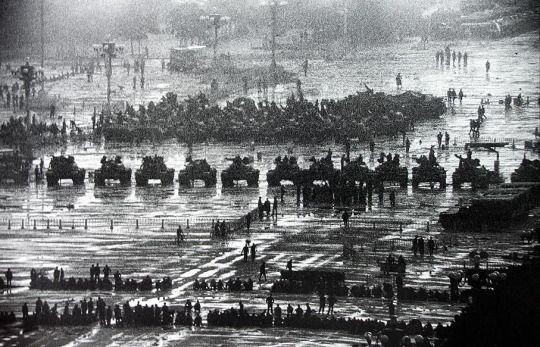
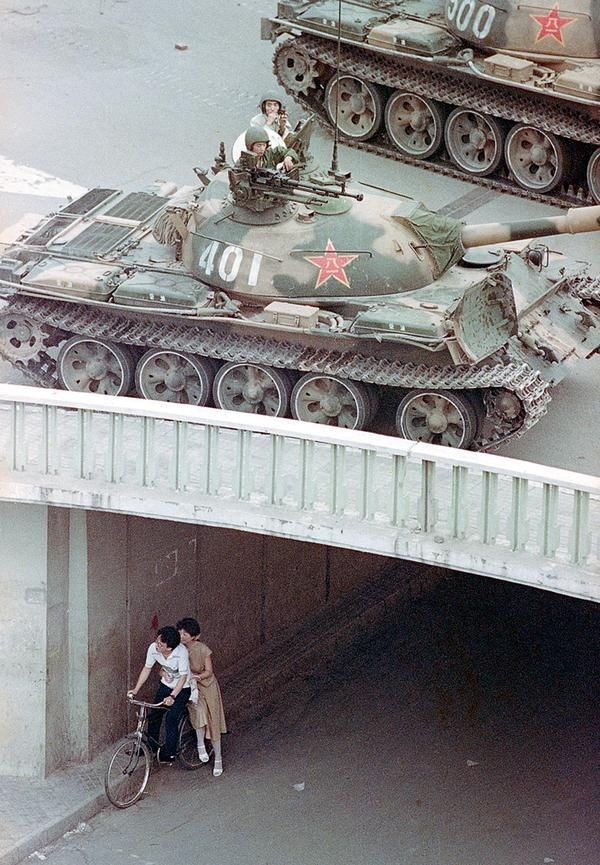
In the early hours of 4 June 1989, the Chinese army entered the city, covering all the major entrances and thoroughfares. Tanks and other armored vehicles closed in on the square and demanded the dispersal of the crowd. A stalemate followed, but ultimately the CCP lost its patience.
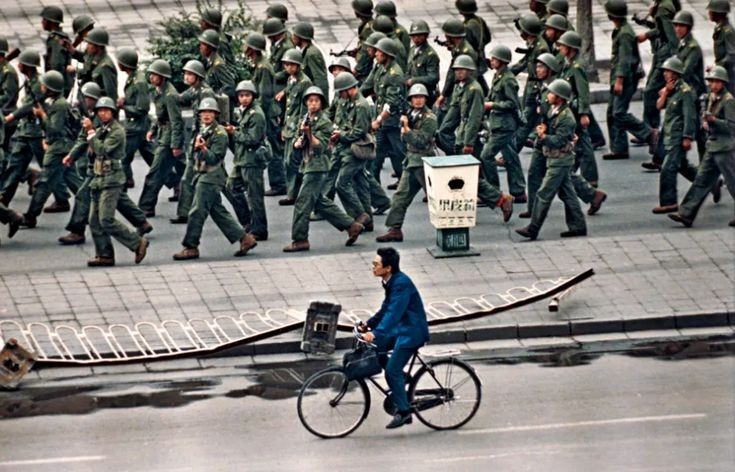
The troops opened fire on the crowds with live ammunition, violently dispersing the protestors. The true number of casualties will never be known. Estimates range from hundreds to thousands.
Hong Kong And The Fax Machines
Many students from Hong Kong showed their solidarity with their Chinese counterparts by organizing their own rallies. But some students decided to break the news blockade. Although the world was watching things unfold, ordinary Chinese citizens barely had any insights into the incident. Local media was censored.
Fax machines were a fairly new invention at the time. Students from Hong Kong decided to get the news out and communicate with this new form of communication. They tracked every fax number in the country listed in the yellow pages. They then created a daily news digest and sent these to all the fax machine numbers they could get hold of. It was like shooting in the dark, but the students occasionally received replies from these fax numbers, thanking them, and in some cases condemning them for spreading fake news. Needless to say, this effort helped to get the story out to all of China. It is unclear if the CCP was aware of this operation, but they made no effort to shut it down.
Aftermath
This event marked the end of the reforms that began in 1986. Widespread arrests followed and other protests in the country were also suppressed. Foreign journalists were expelled, local media were censored covering the event, and the CCP strengthened its police and internal security forces. Internationally, China’s actions were severely condemned. Western countries immediately imposed an arms embargo on China.
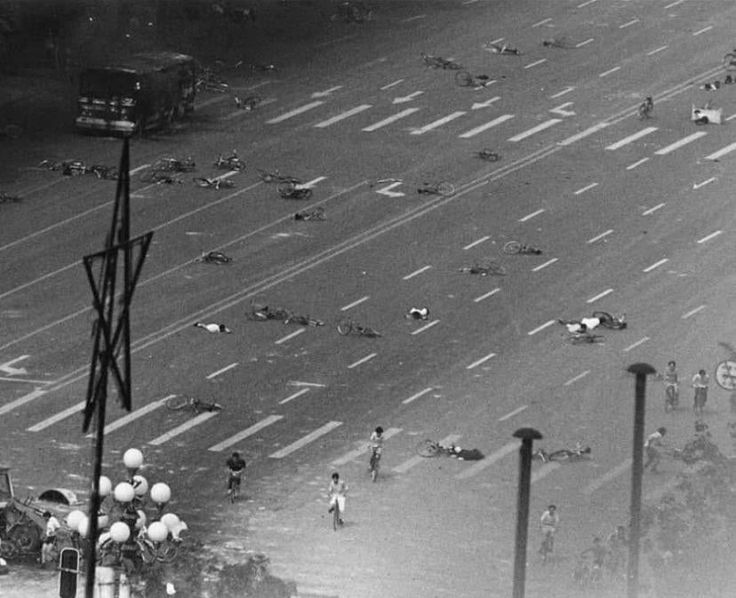
It was a turning point in the history of modern China. Even today it is a sensitive subject, and remembering the event is associated with questioning the legitimacy of the Chines Communist Party’s rule. Today it is the most widely censored topic in China.