
Who Framed Roger Rabbit
The Movie
“Who Framed Roger Rabbit” (1988): A Groundbreaking Blend of Animation and Live-Action
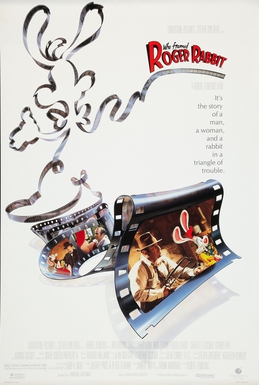
Who Framed Roger Rabbit was released in 1988 and directed by Robert Zemeckis.
“Who Framed Roger Rabbit” stands as a cinematic marvel that seamlessly intertwines live-action and animation, forever changing the landscape of filmmaking. Directed by Robert Zemeckis and based on Gary K. Wolf’s novel “Who Censored Roger Rabbit?” the film presents a groundbreaking fusion of cartoon characters and real-world actors, creating a visually stunning and narratively rich cinematic experience. Loosely based on Gary K Wolf’s novel “Who Censored Roger Rabbit” from 1981.
Plot Synopsis
The film is set in 1947 Hollywood. An alternate world where cartoon characters are alive. One such cartoon character, Roger Rabbit, is framed for the murder of the ACME boss.
Set in a noir-inspired version of Hollywood in 1947, the film follows Eddie Valiant (played by Bob Hoskins), a down-and-out private investigator, who is reluctantly pulled into a case involving Roger Rabbit (voiced by Charles Fleischer), an animated character accused of murder. As Eddie delves deeper into the mystery, he discovers a web of conspiracy and a sinister plot that threatens to reshape the world of animated characters and humans alike.
The Animation-Live Action Fusion
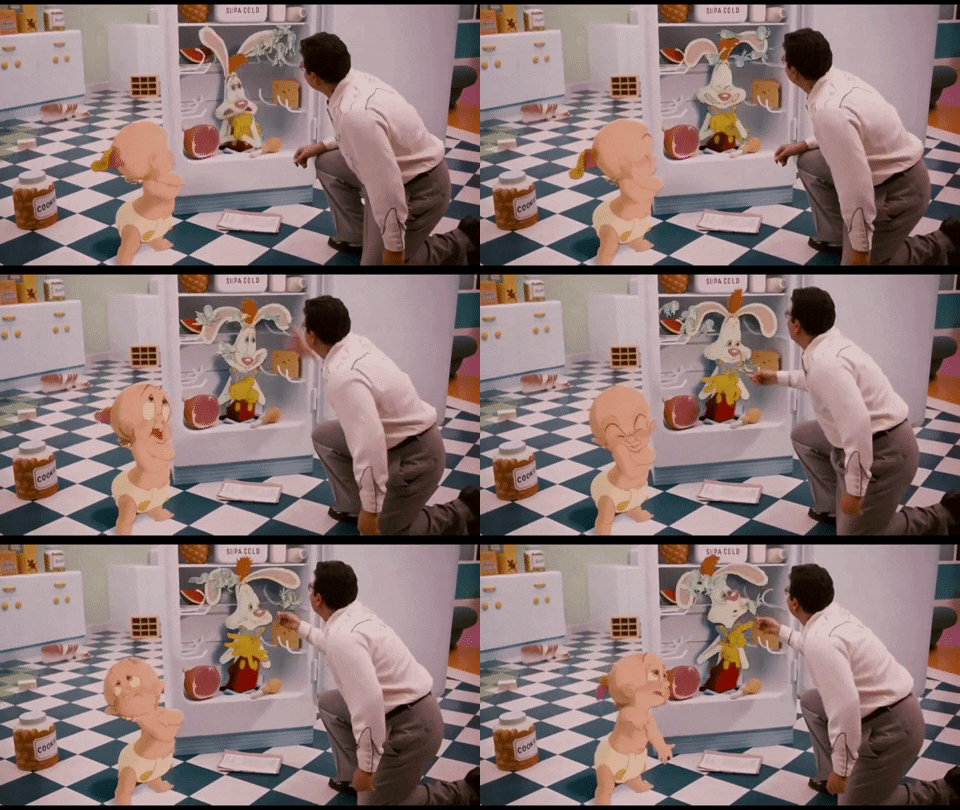
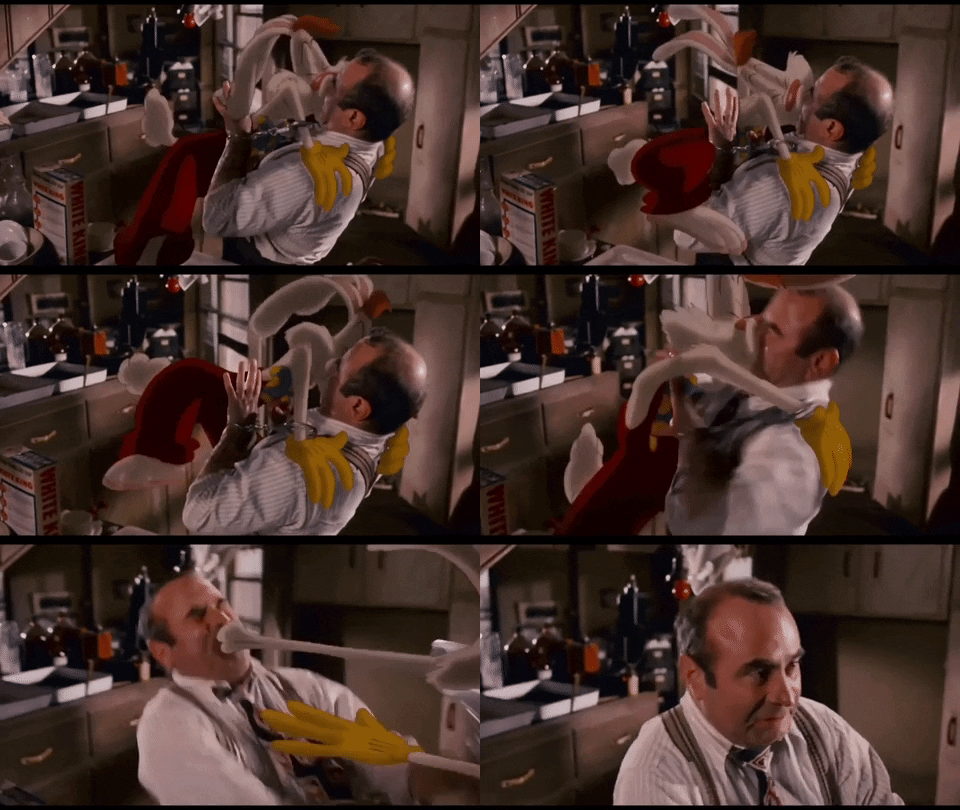
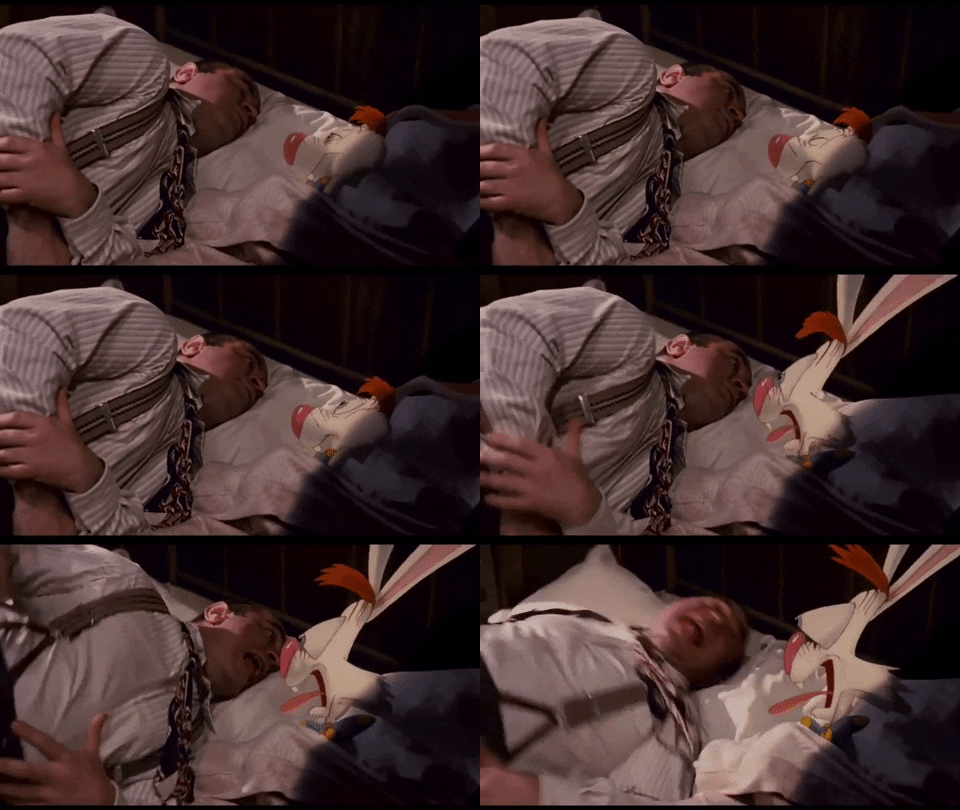
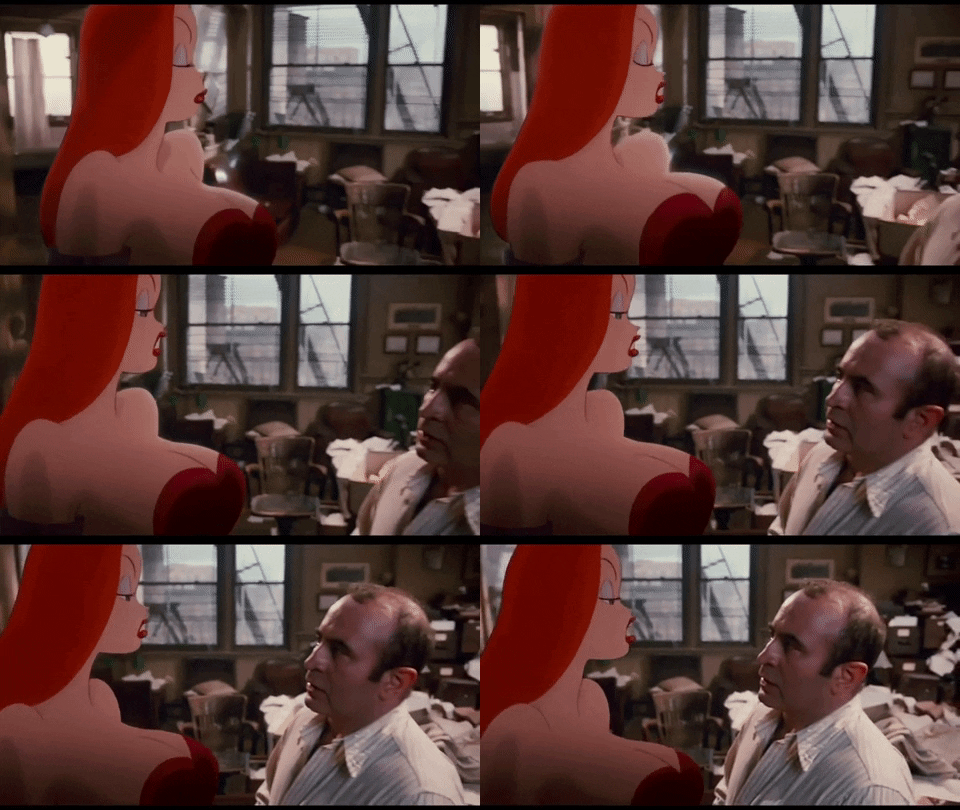
One of the most striking aspects of “Who Framed Roger Rabbit” is its groundbreaking use of animation alongside live-action sequences. The film ingeniously integrates animated characters, including classic Disney and Warner Bros. creations, into a world populated by real actors. The result is a visually stunning spectacle that captures the imagination and transports audiences to a universe where toons coexist with humans seamlessly.
Technical Achievements
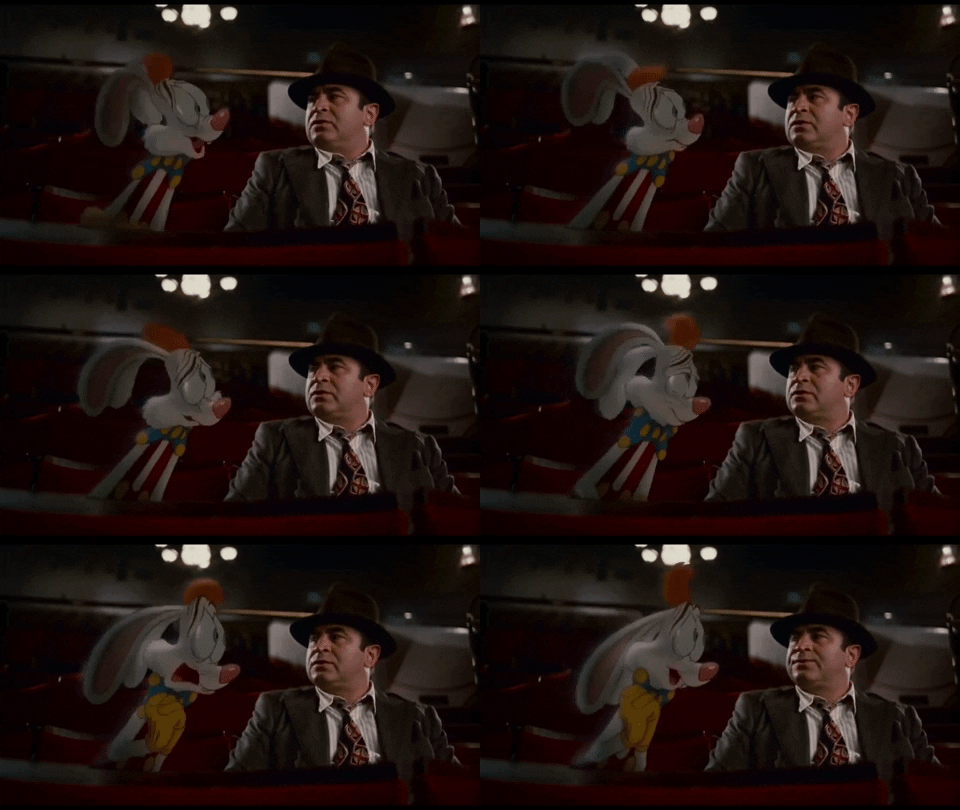
The film’s technical achievements are nothing short of revolutionary for its time. The meticulous blending of animation and live action required intricate planning, precision, and innovative techniques. The actors interact convincingly with animated characters, and the animated elements seamlessly integrate into the physical world. The film’s success in achieving this harmony earned it three Academy Awards for Film Editing, Sound Effects Editing, and a Special Achievement Award for Animation Direction.
Character Design and Voice Performances
The characters in “Who Framed Roger Rabbit” are not only visually captivating but also memorable in their personalities and performances. Roger Rabbit himself, with his bumbling charm, is brought to life through the expressive voice work of Charles Fleischer. The film pays homage to classic cartoon archetypes while infusing them with a fresh and contemporary flair, creating a cast of characters that remains beloved by audiences of all ages.
Cinematic Homage and References:
“Who Framed Roger Rabbit” is a love letter to classic Hollywood, filled with references, cameos, and nods to iconic characters and moments from the golden age of animation. The film skillfully incorporates the likes of Bugs Bunny, Daffy Duck, Mickey Mouse, and many others, creating a nostalgic and immersive experience for audiences familiar with the animated classics.
Conclusion
Beyond its technical achievements and cinematic brilliance, “Who Framed Roger Rabbit” left an indelible mark on the film industry, influencing subsequent generations of filmmakers. Its success in seamlessly blending animation with live-action set the stage for future endeavors in visual effects and paved the way for films that push the boundaries of what is possible in storytelling and filmmaking.
“Who Framed Roger Rabbit” remains a timeless masterpiece that has earned its place in cinematic history. The film’s innovative use of animation and live action, coupled with its engaging storyline and memorable characters, has solidified its status as a groundbreaking achievement in the realm of filmmaking. Over three decades since its release, the movie continues to captivate audiences with its unique charm, proving that the magic of Roger Rabbit’s world transcends the boundaries of time and animation.
Walt Disney purchased the rights for the film in 1981. Steven Spielberg was hired as Executive producer and animation wizard Richard Williams was hired for the animation sequences.
The Cast
- Bob Hoskins as Edward “Eddie” Valiant
- Christopher Lloyd as Judge Doom
- Stubby Kaye as Marvin Acme
- Joanna Cassidy as Dolores
- Alan Tilvern as R.K. Maroon
- Richard LeParmentier as Lt. Santino
- Richard Ridings as Angelo
- Eugene Guitierrez as Teddy Valiant
- Joel Silver as Raoul J. Raoul
- Morgan Deare as an editor working at a moviola, supervised by Maroon
- Joel Cutrara and Billy J. Mitchell as forensics at the crime scene of Acme’s murder
- Danny Capri, Christopher Hollosy, and John-Paul Sipla as some children riding on the back of a trolley
- Edwin Craig, Mike Edmonds, Lindsay Holiday, and Paul Springer as patrons at Dolores’ bar
- Philip O’Brien as Earl
Toon Voices
- Charles Fleischer as Roger Rabbit, Benny the Cab, Greasy, and Psycho
- Kathleen Turner as Jessica Rabbit
- Amy Irving as Jessica’s singing voice
- Betsy Brantley as Jessica’s performance model
- Lou Hirsch as Baby Herman
- April Winchell as Baby Herman’s “baby voice” and Mrs. Herman
- David L. Lander as Smart Ass
- Fred Newman as Stupid
- June Foray as Wheezy and Lena Hyena
- Mel Blanc as Bugs Bunny, Daffy Duck, Porky Pig, Tweety Bird, and Sylvester the Cat
- Joe Alaskey as Yosemite Sam
- Wayne Allwine as Mickey Mouse
- Tony Anselmo and Clarence Nash as Donald Duck
- Tony Pope as Goofy and the Big Bad Wolf
- Bill Farmer as Goofy
- Mae Questel as Betty Boop
Soundtrack
Zemeckis once again chose Alan Silvestri to write the film score. It was performed by the London Symphony Orchestra. Zemeckis joked:
“The British [musicians] could not keep up with Silvestri’s jazz tempo.”
Disney released the film under its Touchstone Pictures banner. In 2016 the film was selected for preservation in the US National Film Registry. Who Framed Roger Rabbit was widely praised by critics.
It was nominated for no less than seven Academy Awards, winning four. Best Film Editing, Best Sound Effects Editing, Best Visual Effects, and Special Achievement Award. On 12 October 1989, VHS copies were released for home use.